
LINEWORK is a dynamic series of online interactive freehand drawing workshops led by architect and conceptual artist Lorenzo Nassimbeni. Designed for architects, designers, and artists. Whether seasoned professionals or curious students - LINEWORK offers a unique space to explore architectural and artistic concepts through the liberating medium of freehand drawing.
CPD points are available for all SACAP-registered professionals. Each workshop is worth 1 CPD point.
Pre-workshop preparation
Please note that participants are required to complete preparatory activities which are essential to completing the workshop. These activities include going through reading material related to the brief for the workshop (this material will be provided by LINEWORK prior to the workshop), sourcing of workshop drawing materials, building a screen for the photographing of work created during the workshop (this is not always required depending on the content of the brief), and going through the brief before the workshop.
ONLINE WORKSHOPS
CHOOSE FROM THE DATES BELOW. EACH DATE REPRESENTS A SINGLE AND SEPARATE WORKSHOP. THEREFORE YOU CAN CHOOSE TO DO MORE THAN ONE WORKSHOP.
PLEASE NOTE THAT THERE IS A LIMIT OF 30 PARTICIPANTS PER WORKSHOP. NO REGISTRATIONS WILL BE ACCEPTED ON THE DAY OF THE WORKSHOP.
ARCHITECTURE & THE FUNDAMENTALS OF DRAWING
3 HOUR WORKSHOP | 1 CPD POINT (CATEGORY 1)
28 NOVEMBER 2026 | 14H00 - 17H00
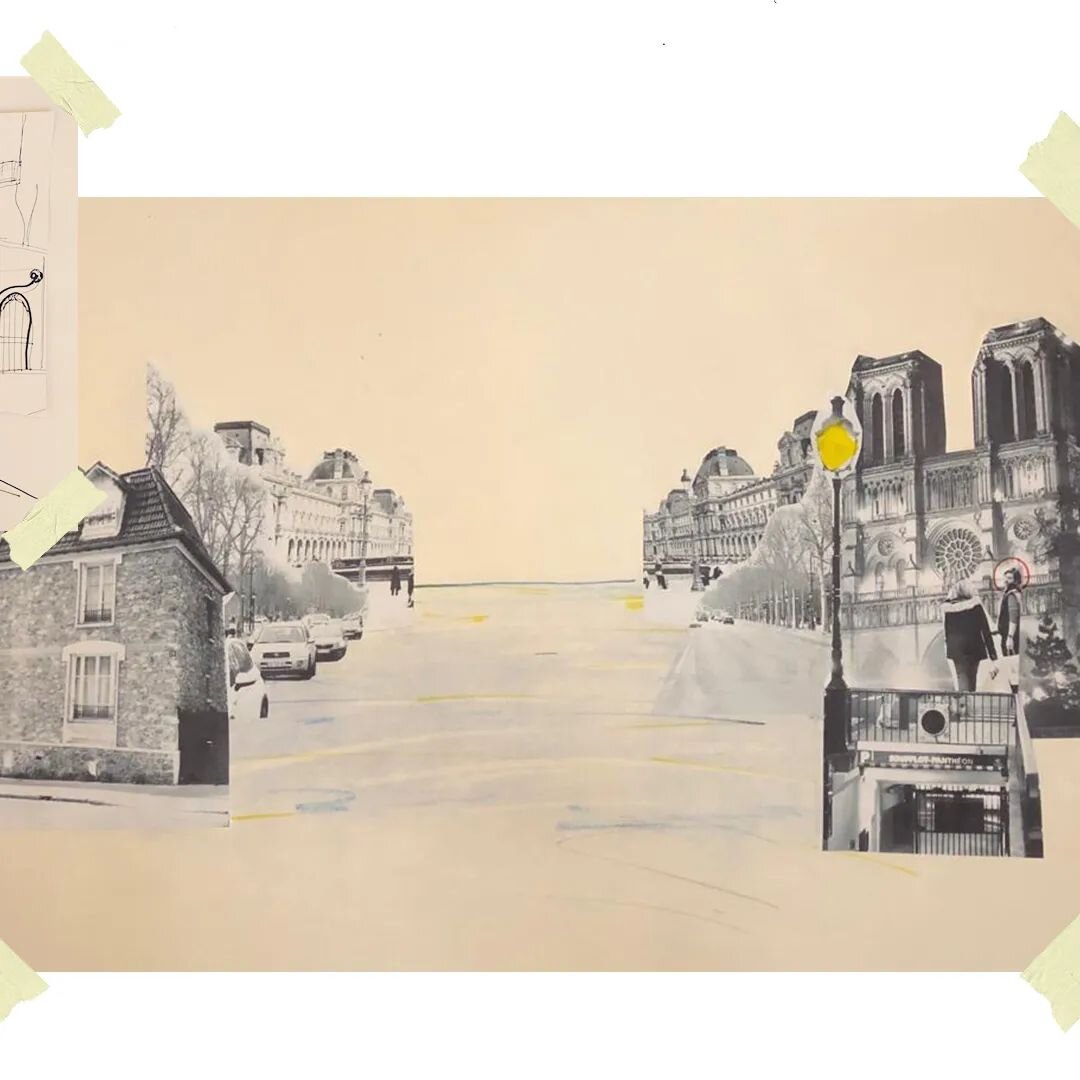
Explore conceptual drawing through collage and model-making
Standard: ZAR 1250
GIfA members: ZAR 1125
Students: ZAR 300
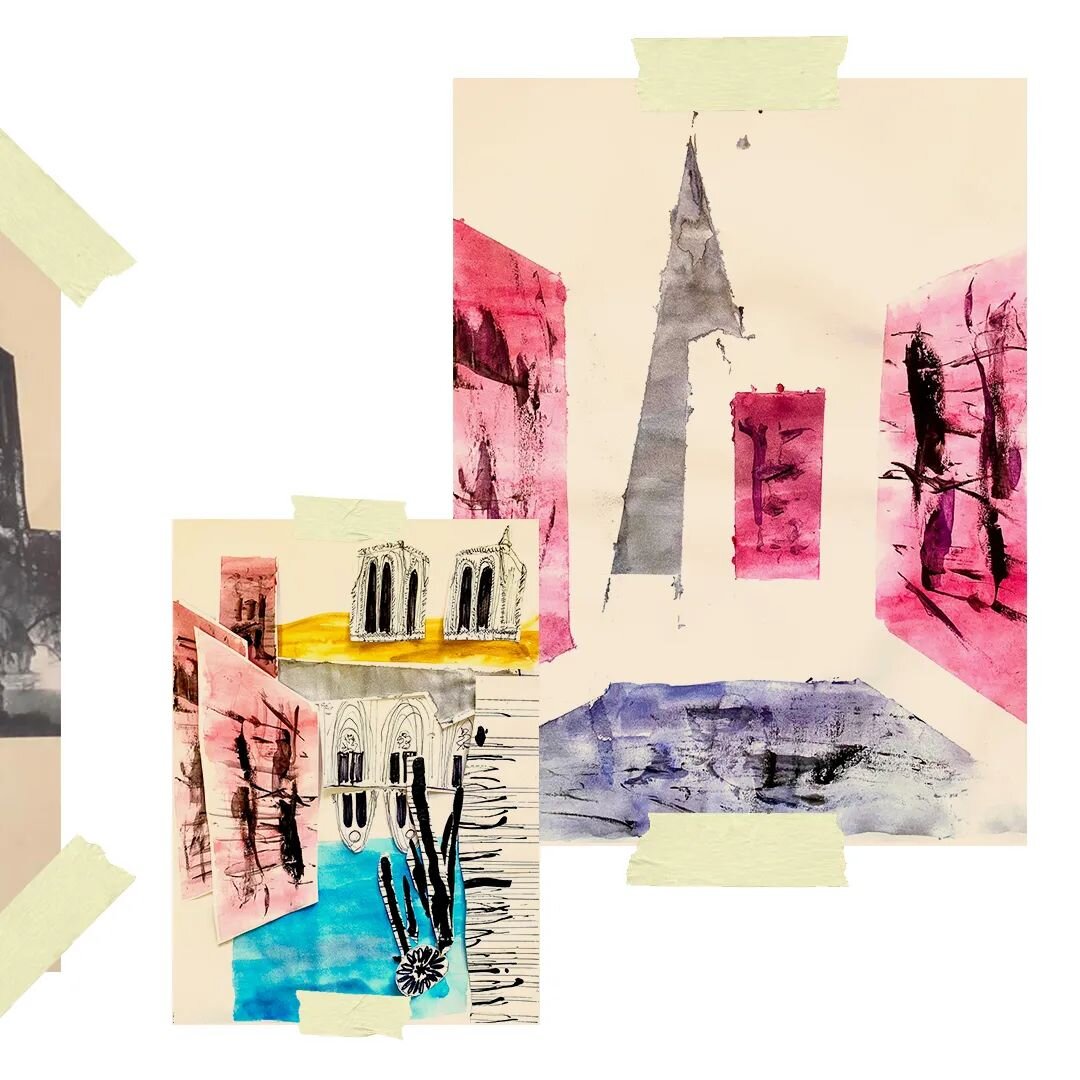
EXPLORE ARCHITECTURE THROUGH PAINTING WITH WATERCOLOUR
3 HOUR WORKSHOP | 1 CPD POINT (CATEGORY 1)
5 DECEMBER 2026 | 14H00 - 17H00
Discover the beauty of watercolours through architectural drawing.
Standard: ZAR 1250
GIfA members: ZAR 1125
Students: ZAR 300
PLANTS & SPACE IN ARCHITECTURE
3 HOUR WORKSHOP | 1 CPD POINT (CATEGORY 1)
12 DECEMBER 2026 | 14H00 - 17H00
Explore the world of plants through spatial drawing.
Standard: ZAR 1250
GIfA members: ZAR 1125
Students: ZAR 300
SEE BELOW TO REGISTER:
Pay by card via PayFast (you will be automatically directed to the PayFast portal via the registration form process) :
Request banking details via automatic e-mail and make an EFT. Please send proof of payment via e-mail.
Pay via PayPal (search : Lorenzo Nassimbeni) :
MATERIALS & READING LISTS:
Architecture & the Fundamentals of Freehand Drawing
Drawing materials
pencils (graphite-various thicknesses)
pens (various thicknesses)
Optional:
colour pencils / crayons / coki pens (Sharpies, Copic, or similar) / conté crayons
inks (black and / or colour)
paintbrushes (1 x small, 1 x medium, 1 x large)
charcoal (various thicknesses)
Note:
We will be doing freehand drawings, and you will have certain drawing materials which you prefer and are accustomed to using. Pens and pencils are essential. It is your choice whether or not to invest in line items marked as ‘optional’, if you do not have such material. I would encourage you to do so, as you have the opportunity to discover new drawing media and techniques that you might not be familiar with. This will enrich your drawing process and you will be able to use these materials in the future, having learned new techniques through the workshop. You may also add any other drawing materials you would like to use to the list.
Ink:
Here is a good product to consider :
www.dala.co.za/0-Acrylic-Drawing-Ink-1090
Brushes:
Here is a good product to consider :
www.dala.co.za/0-479-Set-of-3-Natural-Bristle-with-Natural-Wooden-Handle-522
Charcoal:
Here is a good product to consider :
www.dala.co.za/0-Charcoal-Sticks-114
Drawing accessories
Essential items:
glue for sticking down paper
scissors or craft knife
ruler (steel ruler ideal but another type of ruler is adequate)
cutting mat or surface on which you can cut paper (a sheet of cardboard will do)
Optional but useful items:
1.masking tape
Paper
12 sheets of A2 white cartridge paper (any gsm or above)
10 sheets of A4 white paper (any gsm)
10 sheets of A4 black paper (any gsm)
10 sheets of A4 colourful paper (any gsm)
5 to 10 sheets of A3 tracing paper (any gsm)
1 x A1 piece of cardboard. Make sure that it is thick and rigid enough to stand on edge when formed in an L-shape.
Note:
Depending on your process, it might be that you do not use all the paper. If this is the case, the paper can be used in the future for other workshops or opportunities you take to explore the techniques you have learned in the workshop. It is always best to have more paper than you require as a contingency. If you feel that you tend to draw quickly and like to produce many drawings, by all means exceed the prescribed quantities of paper listed.
A notebook / sketchbook
A notebook / sketchbook is good to have so that you can make preliminary sketches and write notes during and after the drawing exercises if you wish.
Smart phone
A smart phone that has a digital camera is necessary to take photographs of your drawings made in the workshop.
Lamp
It is useful to have a table lamp to shed light on a model which you will make in the workshop, so that you can photograph it. This is not an essential item.
Cardboard screen
From the A1 cardboard which you will get for the workshop you will make a screen as per the diagram below. Make sure to have this ready before you do the workshop.
ReplaceEdit
Readings
Design Indaba — Lorenzo Nassimbeni’s drawings capture the essence of cities
YouTube — filmSerpentine Galleries —
Zaha Hadid: Early Paintings and Drawings
Art21 — Julie Mehretu: To Be Felt as Much as Read
Materials list for workshop of 5 December 2026
Explore Architectural Space Through Painting with Watercolour
Drawing materials
Essential items:
watercolours
pencils (graphite-various thicknesses)
pens (various thicknesses)
paintbrushes (1 x small, 1 x medium, 1 x large)
Optional but useful items:
colour pencils / crayons / coki pens (Sharpies, Copic, or similar) / Conté crayons
Watercolour paints:
Here is a good product to consider-
www.takealot.com/dala-paint-set-watercolours-12-x-12ml/PLID52538632
Brushes:
Here is a good product to consider-
www.takealot.com/pro-art-multi-use-brush-set-10-pc/PLID72481254
Note:
It is important to select a set of watercolours which has a fairly wide range of colours.
Drawing accessories
Essential items:
glue for sticking down paper
scissors or craft knife
steel ruler
cutting mat or surface on which you can cut paper (a sheet of cardboard will do)
Optional but useful items:
1.Masking tape
Paper
A2 sheets of watercolour paper (any gsm)
2 A2 sheets of cartridge paper (any gsm)
10 to 15 sheets of either A4 white bond paper (any gsm)
10 to 15 sheets of A4 colourful paper (any gsm)
Watercolour paper
Here is good product to consider-
www.takealot.com/art-board-reflex-da-capo-a2-300gsm-10-sheets/PLID73416929
Note:
If you do not wish to invest in watercolour paper, it is possible, yet not ideal, to use a standard cartridge paper. If you do elect to do so make sure that you use a relatively high grammage (200 gsm or higher). We do not wish for the paper to tear if a lot of water is mixed into the watercolour and placed onto the page.
The reason for the stipulation to use A2 watercolour paper is that it allows one to break beyond the often-used A4 and A3 size. The A2 size allows one to draw more freely and at a larger scale. It opens up many possibilities for conceptual design exploration. If you really prefer to use A3 or A4 watercolour paper, by all means do so, but do take into account the above. You will however require 2 A2 cartridge sheets for a collage we will be doing in the workshop.
Depending on your process, it might be that you do not use all the paper. If this is the case, the paper can be used in the future for other workshops or opportunities you take to explore the techniques you have learned in the workshop. It is always best to have more paper than you require as a contingency.
A glass jar / liquid container
It is important to have a glass jar / liquid container to clean your brushes in.
Kitchen towelling / old cloth
It is useful to have some kitchen towelling or an old cloth to dry your brushes with during the workshop.
Old clothes
Working with watercolour can sometimes be a messy process. At the workshop wear old clothes that you do not mind getting watercolour on, or an apron / pair of overalls. Make sure to protect the floor beneath your workstation in case water or watercolour spills on it.
A notebook / sketchbook
A notebook / sketchbook is good to have so that you can make preliminary sketches and write notes during the drawing exercises if you wish.
Smart phone
A smart phone that has a digital camera is necessary to take photographs of your drawings made in the workshop.
Readings
Architizer — How Architecture Is Born:
7 Fluid Watercolors by Steven Holl and the Buildings They Inspired
Metropolis — Steven Holl: “If Everybody Else Quits Drawing, It’s Fine With Me”
RCR Arquitectes — DrawingsMateria — RCR Arquitectes’ illustrative process captures the memory of an atmosphere
ArchDaily — Drawing on the Road: The Story of a Young Le Corbusier’s Travels Through Europe
Wallpaper* — Jacob Brillhart dissects the early travel sketches of Le Corbusier
Uprise Art — Meet Gabrielle Raaff
Warren Editions — Gabrielle Raaff
Materials list for workshop of 12 December 2026
Plants and Space in Architecture
Drawing materials
pencils (graphite-various thicknesses)
pens (various thicknesses). It is important to bring a soft pencil, 6B for example. You will be making rubbings, for which softer pencils are ideal.
Pencil sharpener
Glue and/or masking tape
Scissors or craft knife
Steel ruler
Optional:
colour pencils / crayons / coki pens (Sharpies, Copic, or similar) / conté crayons
inks (black and / or colour)
paintbrushes (1 x small, 1 x medium, 1 x large)
charcoal (various thicknesses)
Note:
We will be doing freehand drawings, and you will have certain drawing materials which you prefer and are accustomed to using. Pens and pencils are essential. It is your choice whether or not to invest in line items marked as ‘optional’, if you do not have such material. I would encourage you to do so, as you have the opportunity to discover new drawing media and techniques that you might not be familiar with. This will enrich your drawing process and you will be able to use these materials in the future, having learned new techniques through the workshop. You may also add any other drawing materials you would like to use to the list.
Ink:
Here is a good product to consider :
www.dala.co.za/0-Acrylic-Drawing-Ink-1090
Brushes:
Here is a good product to consider :
www.dala.co.za/0-479-Set-of-3-Natural-Bristle-with-Natural-Wooden-Handle-522
Charcoal:
Here is a good product to consider :
www.dala.co.za/0-Charcoal-Sticks-114
Drawing accessories
Essential items:
glue for sticking down paper
scissors or craft knife
ruler (steel ruler ideal but another type of ruler is adequate)
cutting mat or surface on which you can cut paper (a sheet of cardboard will do)
Optional but useful items:
masking tape
Paper
10 x A2 white cartridge paper (120 gsm or above ideal)
at least 10 x A3 tracing paper (80 gsm). Butcher paper is ideal here, particularly for rubbings, as it is thin.
at least 10 x A3 sheets of white paper (80 gsm)
at least 10 x A4 sheets of white paper (80 gsm)
at least 10 x A4 sheets of colourful paper, including black (120 gsm ideal)
1 x A1 piece of cardboard. Make sure that it is thick and rigid enough to stand on edge when formed in an L-shape.
Note:
Depending on your process, it might be that you do not use all the paper. If this is the case, the paper can be used in the future for other workshops or opportunities you take to explore the techniques you have learned in the workshop. It is always best to have more paper than you require as a contingency. If you feel that you tend to draw quickly and like to produce many drawings, by all means exceed the prescribed quantities of paper listed.
Plant material
Actual plant material - for example plant cuttings, found plants/parts of plants, flowers, petals, leaves, grass shoots/blades, roots, tree bark, moss, twigs, sticks etc. When selecting the plant material, please note the following:
We will be using the plant material to make rubbings (tracings over the plant material to get graphic impressions) and also to make graphic arrangements/collages on paper.
Therefore do not bring plants that are too big. We will generally be working on A2, so that is a good frame to consider when selecting the size of plant material you will bring.
Be sure to bring a variety of plant material. Long thin elements, small-sized elements, medium-sized elements, larger-sized elements, etc. This will allow the opportunity to create well-balanced compositions.
It is a good idea to bring plant material that has a good definition in terms of texture and structure. In other words some of the material you bring must be suitable for making rubbings of.
A good consideration for rubbings is that the material (eg.leaf) can be placed flat on a page so that when you place a piece of paper over it, it is easy to create the rubbing.
Some of the plant material will be drawn by observation and need not be suitable for making rubbings with. Do make sure that some of the plant material you bring is suitable for making rubbings of.
Do not worry too much about finding the perfect plant material. I have done tests for the techniques we will use, and pretty much all plant material will work in some way or another. The above points are a good guide.
A notebook / sketchbook
A notebook / sketchbook is good to have so that you can make preliminary sketches and write notes during and after the drawing exercises if you wish.
Smart phone
A smart phone that has a digital camera is necessary to take photographs of your drawings made in the workshop.
Lamp
It is useful to have a table lamp to shed light on a model which you will make in the workshop, so that you can photograph it. This is not an essential item.
Cardboard screen
From the A1 cardboard which you will get for the workshop you will make a screen as per the diagram below. Make sure to have this ready before you do the workshop.
ReplaceEdit
Readings
Louisiana Channel — Junya Ishigami: Creating Nature with Time (video)
Dezeen — “I don’t want to make crazy buildings” says Junya Ishigami
Wallpaper* — Interview with Japanese architect Junya Ishigami
52 Insights — Junya Ishigami: “I want to create architecture as the new nature.”
Dia Art Foundation — Robert Smithson, Spiral Jetty, 1970
Eugenio Ampudia — Concert for the Biocene
The Art Story — Andy Goldsworthy
MoMA — Neri Oxman: Material Ecology
FEEDBACK FORM
We value your feedback and are always looking for ways to improve your experience of the workshop.
TERMS AND CONDITIONS:
Payment must be settled at least 5 working days prior to the date of the workshop in order to secure a place. There is a limit of 30 participants per workshop. Proof of payment confirms your space.
Should a registration be made by the office manager / personal assistant of a participant, the office manager / personal assistant must provide LINEWORK with the contact details of the participant so that they may be included in all necessary correspondence.
Participants who have registered but have not paid for any of their workshops risk losing their space if full capacity has been reached.
If a potential participant registers for the workshop and does not pay at least 5 working days prior to the date of the workshop, LINEWORK cannot guarantee that a place will be available at the workshop.
Participants are permitted only one deferral for attending the workshop. If the participant confirms his/her/their place in the workshop by paying in advance and is subsequently not able to attend, the participant is permitted to attend the following workshop.
Participants are not permitted to defer their attendance a second time. If the participant books to attend a workshop following the one which they missed and is subsequently unable to attend that workshop, the fee for that workshop will not be refunded.
Should a participant defer to a workshop after a price increase, the balance of the amount must be paid before attending the workshop.
Should a participant be unable to attend a booked workshop because of loadshedding or Wi-Fi problems, a deferral is permitted, and clauses 2 and 3 above do not apply.
There is a cancellation fee of 50% of the workshop fee for cancellations made at any time after payment for the workshop.
Cancellations on the day of the workshop will not receive a refund.
If for some reason LINEWORK needs to postpone the workshop, participants will qualify to attend another workshop.
The drawing methodology and workshop briefs are the intellectual property of Lorenzo Nassimbeni. Standard copyright policy applies. Participants may not use or disseminate the briefs, or use them in any courses they might teach.
LINEWORK does not have the authority to issue CPD certificates for SACAP-registered architects and SACAP-registered architectural technologists. Such authority lies with SACAP and is not the responsibility of LINEWORK. LINEWORK commits to furnishing the relevant details of participants so that the CPD certificates may be issued. This is done promptly after each workshop. Should there be any delay in receiving a certificate, please contact the voluntary organisation directly. You will be copied in on the correspondence containing the relevant details of participants so that the CPD certificates may be issued.
Participants who pay for the workshop, do not attend, and proceed to claim CPD points, will not be permitted to do so. LINEWORK is committed to SACAP to uphold ethical practice in this regard. As such, careful registers are taken during the workshop in order to ensure accurate attendance records.
It is the responsibility of professional SACAP-registered architects and SACAP-registered architectural technologists to ensure that they are eligible for CPD points according to SACAP regulations. LINEWORK will not be responsible for scenarios where participants are refused CPD certificates after the workshop, based on their legal professional status.
SACAP-registered candidate architectural technologists are required to pay the professional workshop rate. SACAP-registered candidate architects do not qualify for CPD points.
If you are a qualified architect or architectural technologist eligible for CPD points, but are enrolled as a student, the professional fee of R 1150 (Saturday workshops) applies or R 1075 (GIFA members).
If you are a qualified architect or architectural technologist eligible for CPD points, but are enrolled as a student, the professional fee applies.
Pre-workshop preparation: Please note that participants are required to complete preparatory activities which are essential to completing the workshop. These activities include going through reading material related to the brief for the workshop (this material will be provided by LINEWORK prior to the workshop), sourcing of workshop drawing materials, building a screen for the photographing of work created during the workshop (this is not always required depending on the content of the brief), and going through the brief before the workshop.
All artworks created by participants which are posted on Social Media or any other media platform will be credited to the author. Tags on Instagram of artworks by participants will only be placed if the participant willingly makes their Instagram handle known to LINEWORK.
Please log in to the Zoom meeting at 13h45 so that we can start promptly at 14h00.
POPI Act: This notice is to acknowledge the new data protection legislation that came into effect on 1 July 2021. In accordance with the Protection of Personal Information Act (POPI Act) I commit to the protection of your personal information and to never sharing your personal details and contact information with any Third Party without your permission.
Please note that there is a limit of 30 participants per workshop.
No registrations will be accepted on the day of the workshop.
Participants are not allowed to complete the workshops independently and will not receive workshop recordings.
Only GIFA members qualify for a discount on workshop fees. LINEWORK has partnered with GIFA as our administrative lead on the condition that only their members receive a discount for the workshop. GIFA is a voluntary association with which we work for the accreditation and certification of CPD points. Without their partnership, we would not be able to run the workshop.
Participants must register through the registration link on the website. Registrations through email will not be processed.
Participants must register with their own details when registering for a workshop. In the event that an individual registers on behalf of someone else, it is their responsibility to ensure that the participant’s details have been entered correctly when registering.
Participants will be added to a WhatsApp group where work produced during the workshop will be shared. Participants must ensure that they register with a number which is linked to WhatsApp.
Participants must ensure that their device’s microphone and speakers are working before the meeting on Zoom.
Participants who cause a disturbance during workshops will be removed from the meeting.
Should LINEWORK deem a participant as being potentially disruptive in a future workshop based on their disruptive behaviour in a previous workshop, LINEWORK reserves the right to disallow said participant entry to future workshops.
Participants who require CPD points must complete and submit all exercises on the workshop’s brief in order to receive CPD points.
Participants who enter the workshop after 14h00 will not be allowed to attend or complete the workshop.
Participants must ensure that they have received the Zoom meeting details the day before the workshop by checking their spam folders and confirming that they have received the details.
LINEWORK does not take any responsibility for loss or injury incurred during the drawing process in the workshop. For example, in some exercises craft knives for cutting paper and cardboard are used, and care must be taken when using such equipment. Participants are responsible for their own safety when performing the drawing exercises.
By registering and paying for the workshop/s, participants acknowledge that there is pre-workshop preparation and confirm that it will be done for their respective workshop/s.
By paying for the workshop in advance, the participant agrees to the terms and conditions listed above.
INSTAGRAM: @linework_drawing_workshop



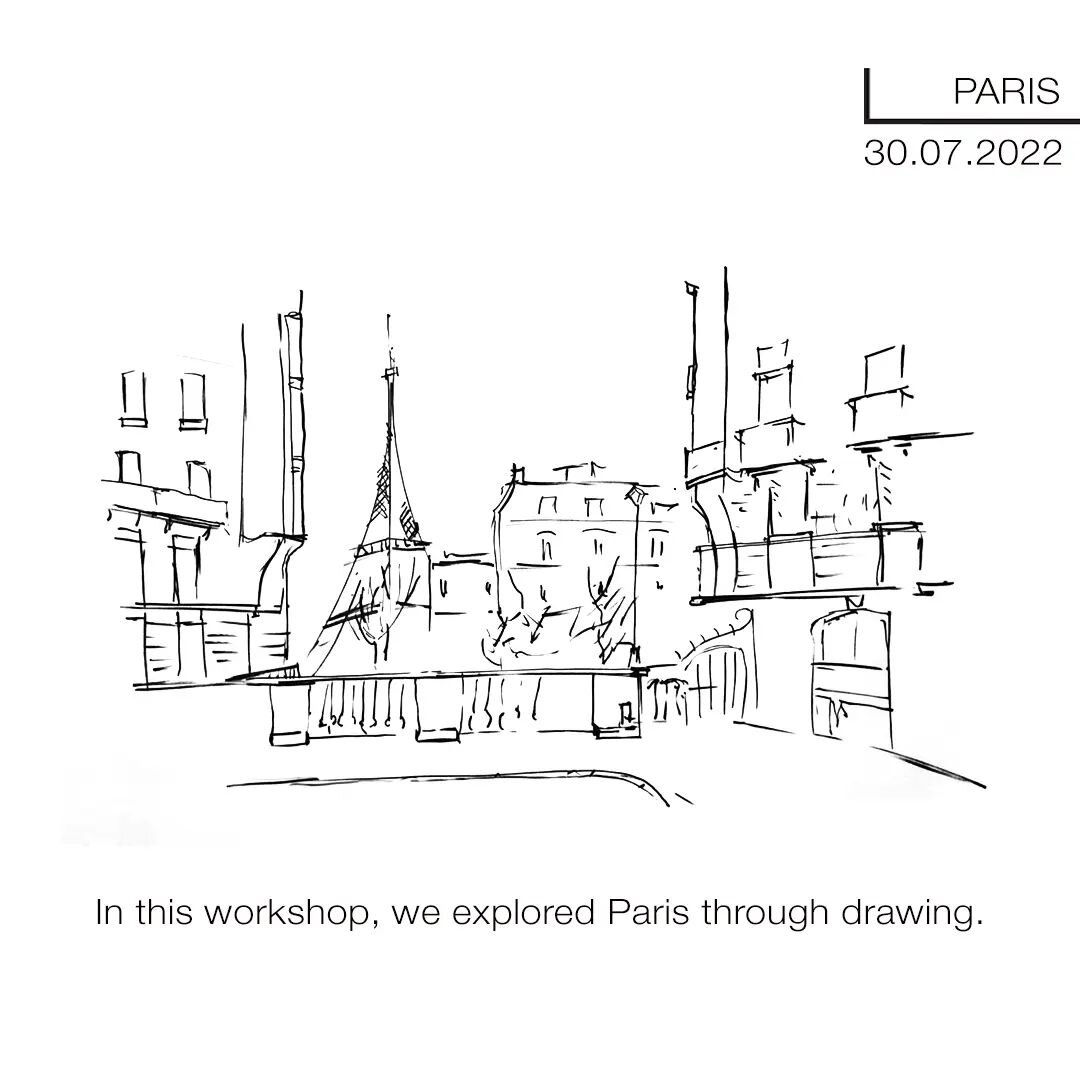
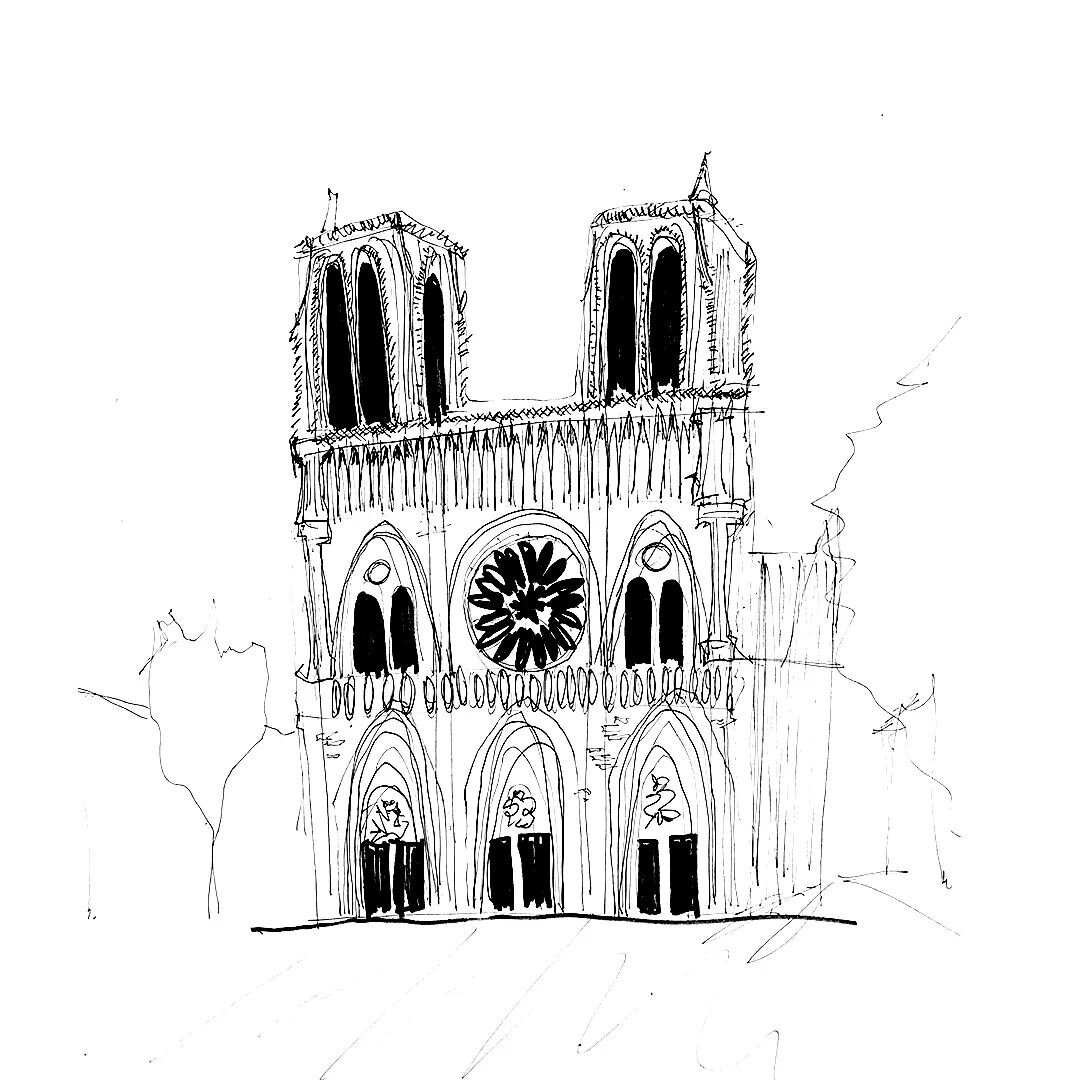
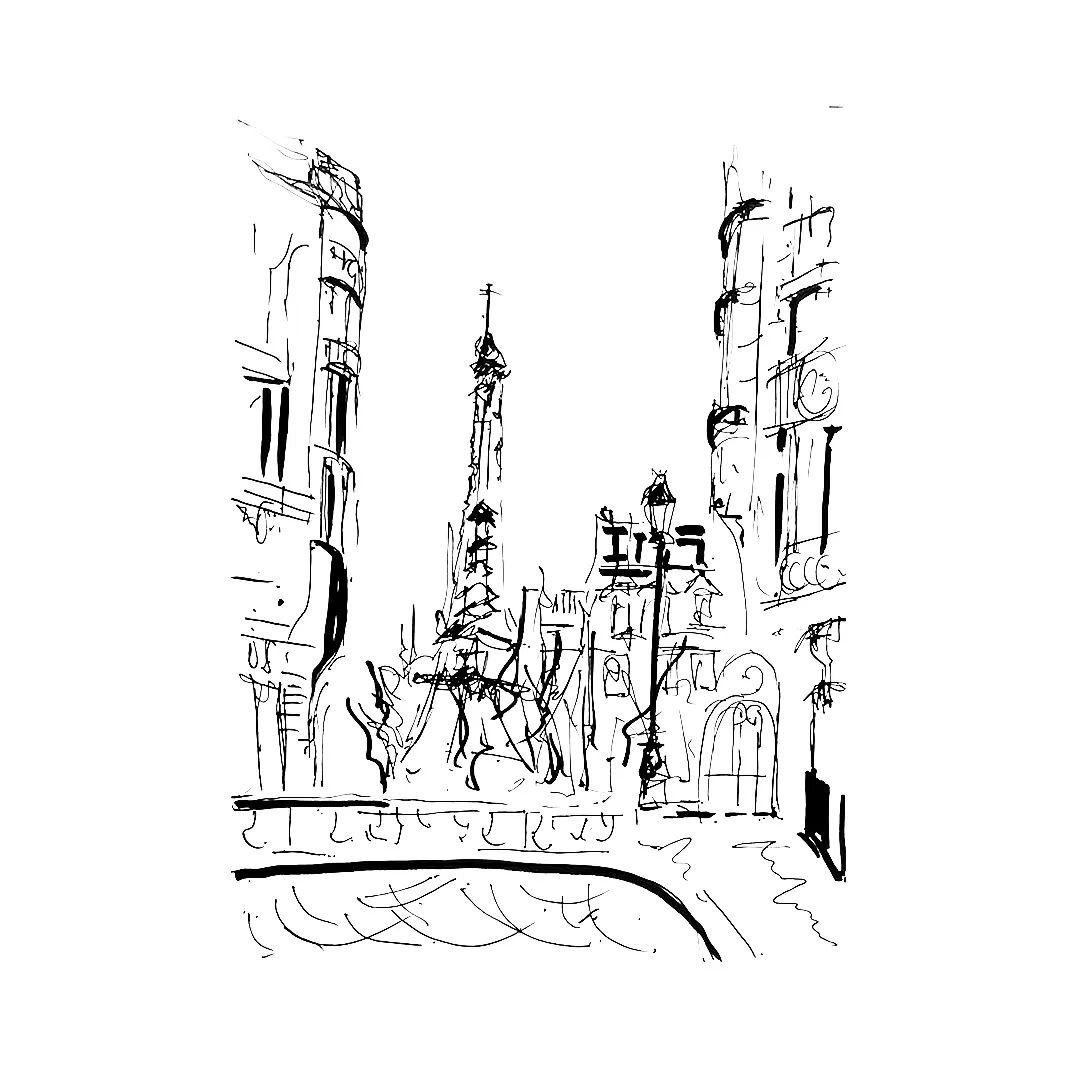
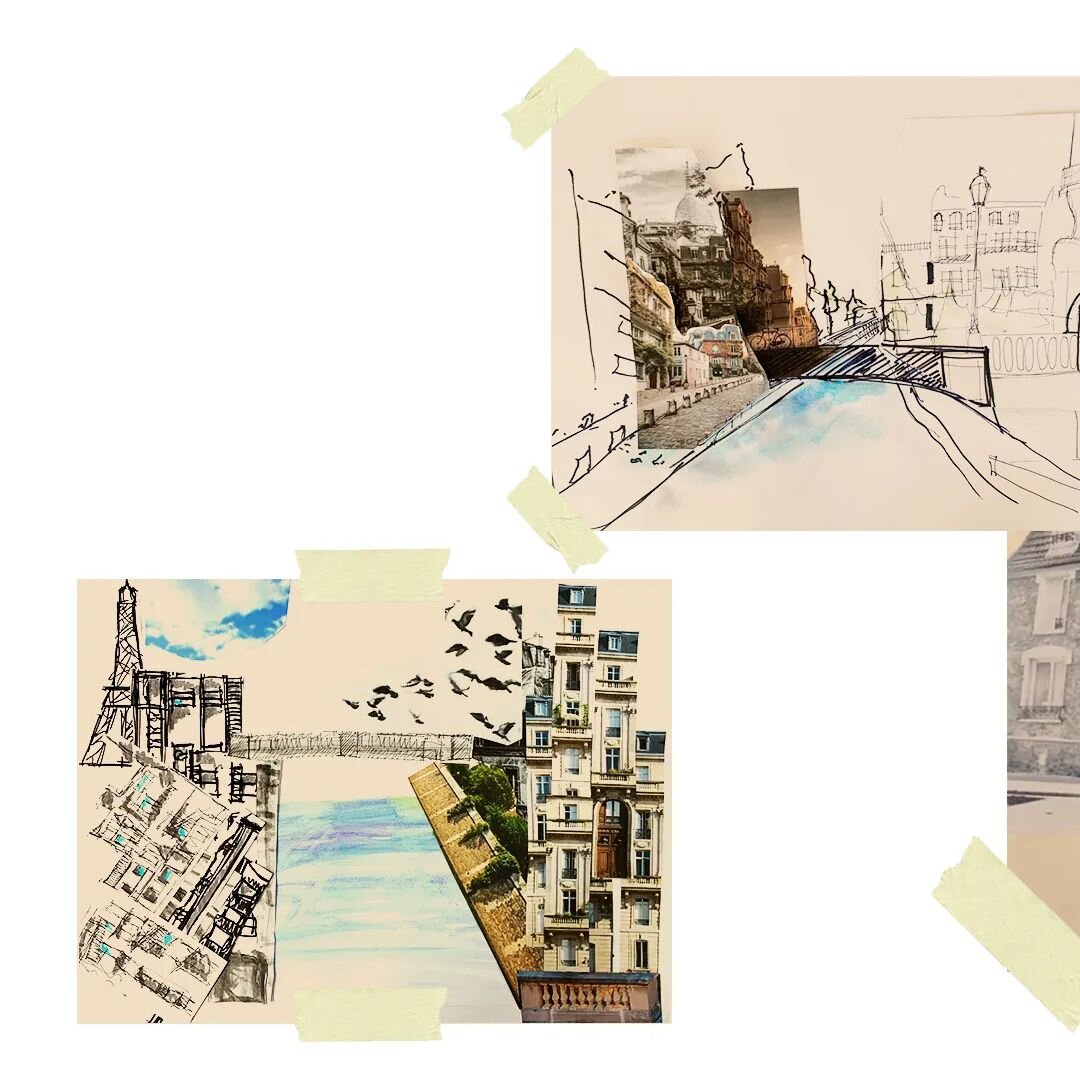
We are doing a drawing workshop for Grade 10-12 school students. Students will learn to conceptual architectural drawing and how to design a portfolio. See below.